Dr. Kurt Michael: We Can All Agree to Agree on Preventing Firearm Suicides
Dr. Kurt Michael shares how respectful conversations about firearm access and safe storage can help protect loved ones during a suicidal crisis.
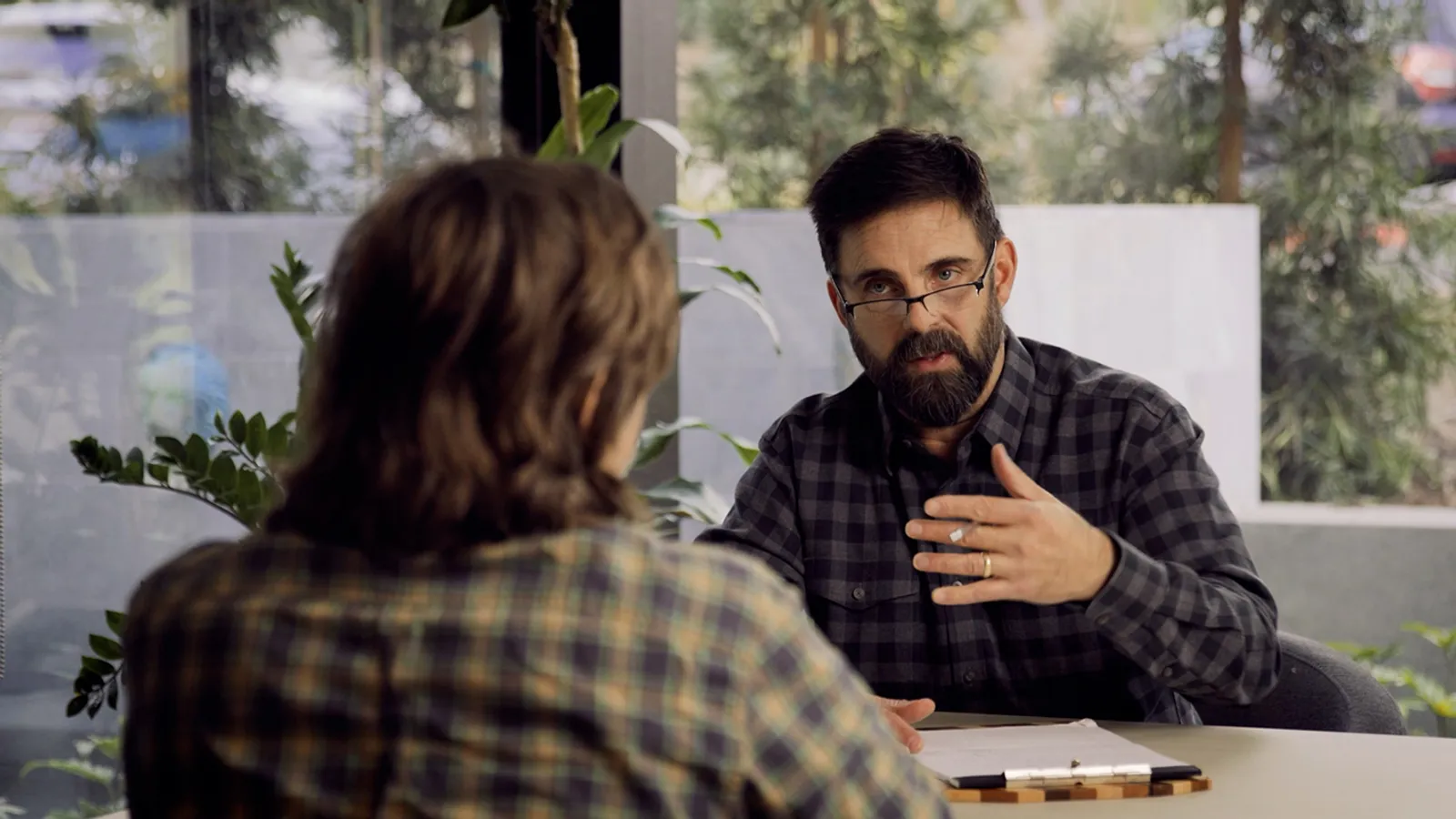
Dr. Kurt Michael is the Vice President of Prevention and Crisis Response Consulting at The Jed Foundation. Trained as a clinical psychologist, Dr. Michael is also a father, a spouse, and a shooting sports enthusiast. Together, these roles shape how he talks with families about one of the most preventable causes of youth death: firearm suicide. Firearms are the leading method of suicide in the U.S. and accounted for 56% of suicides in 2024. About three quarters of suicides happen at home, and 80% of young people who died by firearm suicide used a household gun owned by parents or other family members. To address these realities, Dr. Michael discusses practical ways gun-owning families can secure their firearms so that their children who might be at risk for suicide cannot access a firearm during a mental health crisis. In other words, this approach to prevention seeks to create a buffer zone of safety while respecting the autonomy of gun owners.
We spoke with Dr. Kurt Michael about how families can help prevent firearm suicide and create safer environments for loved ones experiencing a mental health crisis.
1. How does being a gun owner help when you talk to families about firearm injury prevention?
Given my background with firearms, my conversations with families about youth firearm injury prevention come from a place of understanding. I also know the pain of suicide loss personally. Thus, when talking to families about their child’s risk of suicide, my experience with grief and fatherhood helps me relate to how scary it is when parents learn that their child is experiencing suicidal thoughts, sometimes for the first time. The approach I use is called Counseling on Access to Lethal Means (CALM). CALM is centered on several important principles, including respecting a family’s “decisional autonomy” and “creating time and distance” between a highly lethal means and a suicidal crisis. For firearms, it’s all about safe handling and respect.
2. What is the goal of having firearm injury prevention conversations with families?
The goal is straightforward: to help families create time and distance between a highly lethal means, like a firearm, and loved one experiencing a suicidal crisis. These conversations can be stressful, since parents might not even be aware that their child is experiencing suicidal thoughts. When they learn that your approach to prevention is anchored in safety and that you are not stereotyping or judging them for being gun owners, not only does their anxiety subside, but they are really the most expert partners in coming up with practical ways to be even more protective of their children. It is all about the safe handling and storage of firearms.
3. Why is it important to have conversations about access to firearms?
As a healthcare provider and suicidologist, I am expected to know the facts, especially when evaluating or treating patients at risk for suicide. Given that firearms are the leading method of suicide across the lifespan, it’s important to address this fact honestly with my patients and families every time without exception. I also approach this conversation as a gun owner. Thus, when I become aware that a patient is experiencing current suicidal ideation or has a history of suicidal thoughts or nonfatal attempts, I lean into my role as a teacher (the Latin definition of doctor) about the risks. The conversations are not tense; they are designed to be educative and protective.
The conversations are also designed to be upstream, before a crisis emerges. Thus, knowing the warning signs can help parents and caregivers pre-emptively make their homes safer in advance and help them to identify a potential crisis before it happens. These proactive steps create “time and space” between a highly lethal means and a potentially life-threatening crisis.
When families know what to look for and already have a secure storage plan in place, they’re more prepared in the event of a potential crisis and in turn, help save a child’s life.
4. What information do you share with families to help them understand the role firearms have in youth suicide?
There are three facts that I want families to understand when we’re talking about the relationship between access to firearms and a suicidal crisis:
- First, firearms are the leading method of suicide.
- Second, most suicides happen at home.
- Third, among young people who die by firearm suicide, 80% access “household guns.”
It is important to ask “why” a person has developed suicidal thoughts, but it is equally important to ask about access to the “how” of suicide. Healthcare providers who are confident and skilled in Counseling on Access to Lethal Means (CALM), an established best practice, is our best defense against firearm suicides.
5. What message would you like readers to take away from your story?
As a gun owner and a parent, I know most families who keep firearms want the sense of protection that they provide for their family. CALM is a non-punitive approach to the safe handling of firearms and other dangerous methods of suicide. It is anchored in the safety and protection of our loved ones, especially when experiencing mental health struggles, including an increased risk of suicide.
If you or someone you know is in crisis, call or text 988 to reach the Suicide & Crisis Lifeline for free, confidential support 24/7.